
Our Contacts
70 Santa Felicia Dr
Goleta, CA 93117
2243 S. Depot Street, Suite 101
Santa Maria, CA 93455
Phone: (805) 569-9487
Fax: (805) 569-9542
E-mail: info@platformta.com
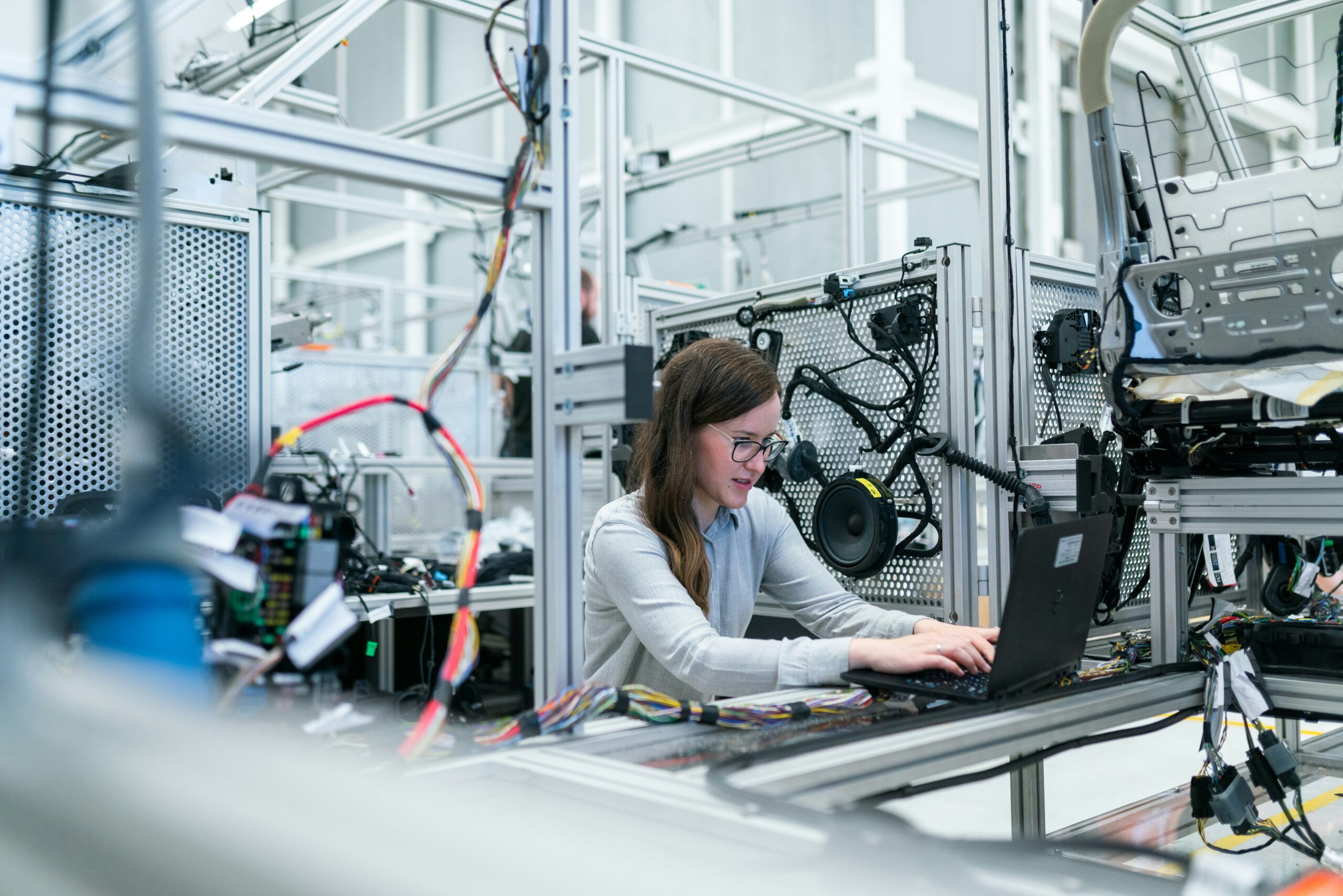
The manufacturing industry enters 2026 carrying the weight of a turbulent few years. Rising costs, declining employment, and softening construction defined much of 2025. Yet the horizon holds real promise, with new legislative developments and revised trade frameworks creating potential openings for manufacturers willing to invest strategically.
What are the biggest manufacturing trends for 2026? The five shaping the year are economic uncertainty, smart manufacturing and AI investment, supply chain volatility, production scheduling and optimization, and cybersecurity. Each one puts more pressure on manufacturers to run on real-time data.
To navigate what comes next, manufacturers need more than optimism. They need technology, data, and operational agility. That is where Acumatica Manufacturing Edition comes in. Below, we break down the key manufacturing trends for 2026 and how Acumatica helps turn industry challenges into competitive advantages.
In 2025, manufacturers faced a difficult trifecta: rising input costs, falling employment, and a steady decline in manufacturing construction spending. Despite these pressures, the passage of the One Big Beautiful Bill Act and revised trade agreements have introduced new cause for optimism, according to Deloitte’s 2026 Manufacturing Industry Outlook.
Even so, experienced manufacturers know that positive legislation doesn’t guarantee smooth sailing. Industry leaders should be prepared for three possible scenarios in 2026:
Manufacturers who build operational flexibility into their planning, and back it with a real-time data platform like Acumatica ERP, will be best positioned to pivot as conditions evolve.
Investment in smart manufacturing isn’t slowing down. Deloitte’s 2025 survey of 600 manufacturing executives found that 80% plan to invest 20% or more of their improvement budgets in smart manufacturing initiatives. Agentic AI, which goes beyond answering questions to taking actions and managing workflows, is set to be a defining technology in this space.
Acumatica ERP is built to support this shift. Key capabilities include:
For manufacturers investing in smart manufacturing ERP software that keeps pace with AI, Acumatica delivers the foundation.
Supply chain disruption and sourcing challenges are not going away in 2026. Tariff policy continues to shift, raw material availability fluctuates, and the cost of goods and logistics remains unpredictable. Manufacturers who lack real-time visibility into their supply chains are flying blind, and that is a risk they cannot afford.
Acumatica ERP gives manufacturers the supply chain visibility they need to:
In a volatile trade environment, supply chain visibility is not a nice-to-have. It is a survival tool.
Modern manufacturing is increasingly focused on machine-level intelligence and assembly line optimization. Data-driven operations help managers reduce waste, improve margins, and maintain a competitive edge. Identifying bottlenecks on the assembly floor and making rapid adjustments is no longer optional, it is expected.
Acumatica’s Advanced Planning and Scheduling (APS) module is purpose-built for manufacturers who need more than basic work center scheduling. It includes:
For manufacturers focused on increasing operational efficiency and improving quality control, Acumatica’s APS capabilities turn production data into better decisions, every shift.
As manufacturers become more connected, from shop floor sensors to cloud-based ERP, cybersecurity has moved to the top of the risk register. A single breach can compromise production data, financial records, customer information, and regulatory standing all at once.
Acumatica ERP is designed with enterprise-grade security built in, not bolted on. Core protections include:
Cybersecurity is no longer just an IT concern. For manufacturers running connected operations, it is a business continuity issue.
The manufacturers who succeed in 2026 will be the ones who invest in the right technology now. Acumatica ERP brings smart manufacturing capabilities, supply chain visibility, advanced scheduling, and enterprise security together in one platform.
Smart manufacturing uses connected technology such as sensors, automation, data analytics, cloud platforms, and AI to improve production output, quality, and efficiency.
A manufacturing ERP connects production, inventory, supply chain, and financials in one system. That gives leaders real-time data to plan production, manage costs, and respond to disruptions.
Acumatica Manufacturing Edition is a cloud ERP for growing manufacturers. It includes production management, inventory, advanced planning and scheduling, and financials on one platform.
Platform Technology Advisors provides 30+ years of ERP implementation and consulting expertise to help you fully understand what you’re getting with accounting and ERP software, along with why it’s so important for your business. Contact us to learn more.

Fill out the form below and one of our trusted ERP experts will connect with you.